
Invasive Weed Control on Slopes: Clear Gorse Without Spray
No Mans Land Mowing • October 16, 2026
Invasive weed control on steep slopes can be done without herbicide. Mechanical mulching clears standing gorse and blackberry and avoids spray drift near an organic orchard or waterway. It does not remove buried seed or guarantee that roots will not regrow. Effective weed control means checking the ground first, cutting before seed set and planning follow-up.
At No Mans Land Mowing, we use remote-controlled MDB LV600 tracked mulching machines for our steep slope mulching service, backed by 4,500 hours of operating experience. We cover the Bay of Plenty, Waikato, Coromandel and Auckland. For a slope above a sensitive boundary, the first question is what the ground will safely allow.
Why can't gorse on a steep slope just be sprayed?
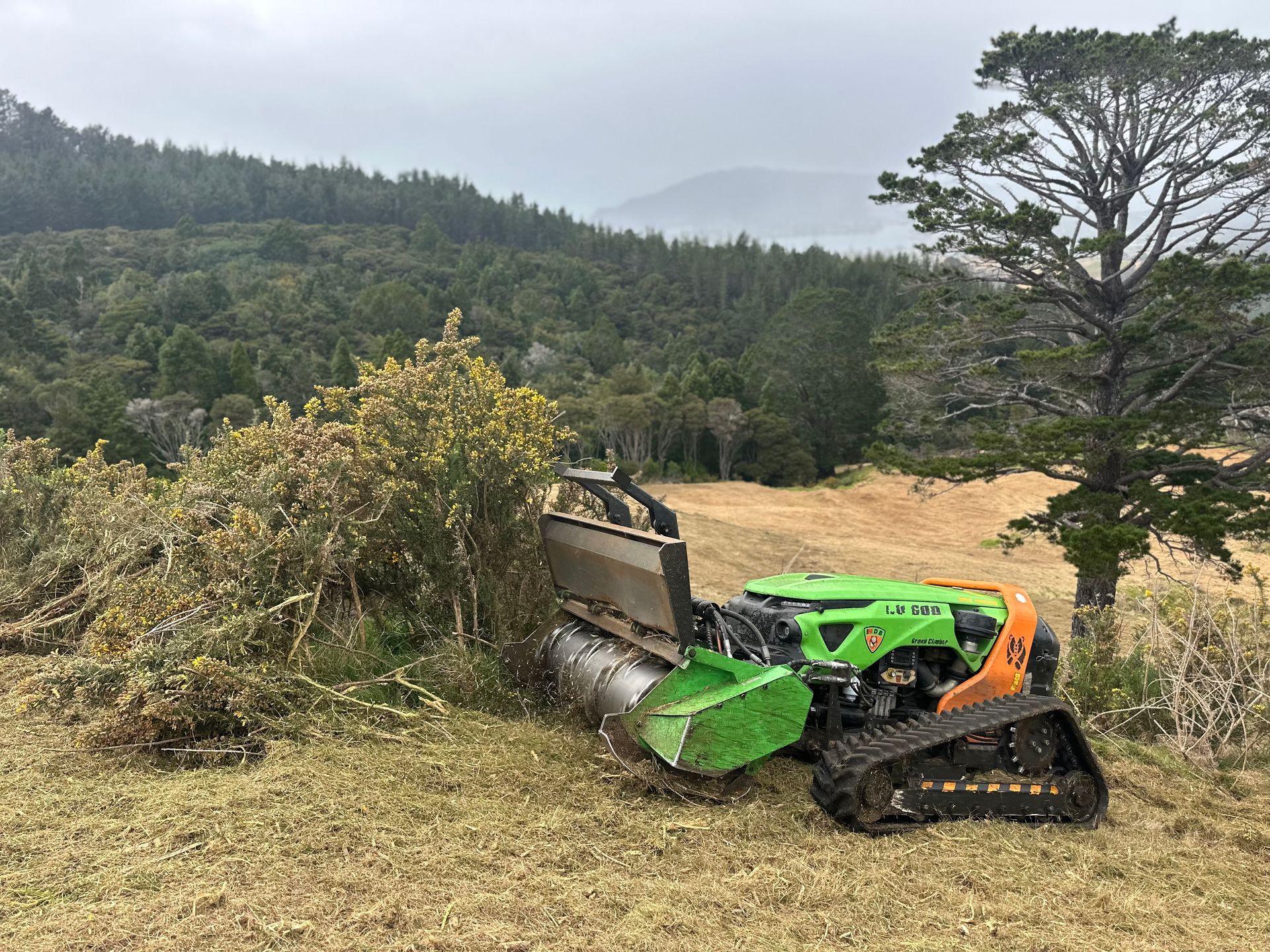
Spraying is not automatically ruled out by a slope, but calm weather alone does not settle the risk. Wind can carry spray off target, while rain can move some herbicides downhill in runoff. Check where water flows after heavy rain, particularly if it reaches an orchard or creek.
Auckland Council's undated Weed Management Policy includes objectives to minimise agrichemical use and its non-target effects. Its no-spray register applies to council-controlled land near registered residents, not every neighbouring property. It is recommended to check the rules for your block and any stream buffers before choosing a control method.
What mechanical mulching does to gorse and blackberry
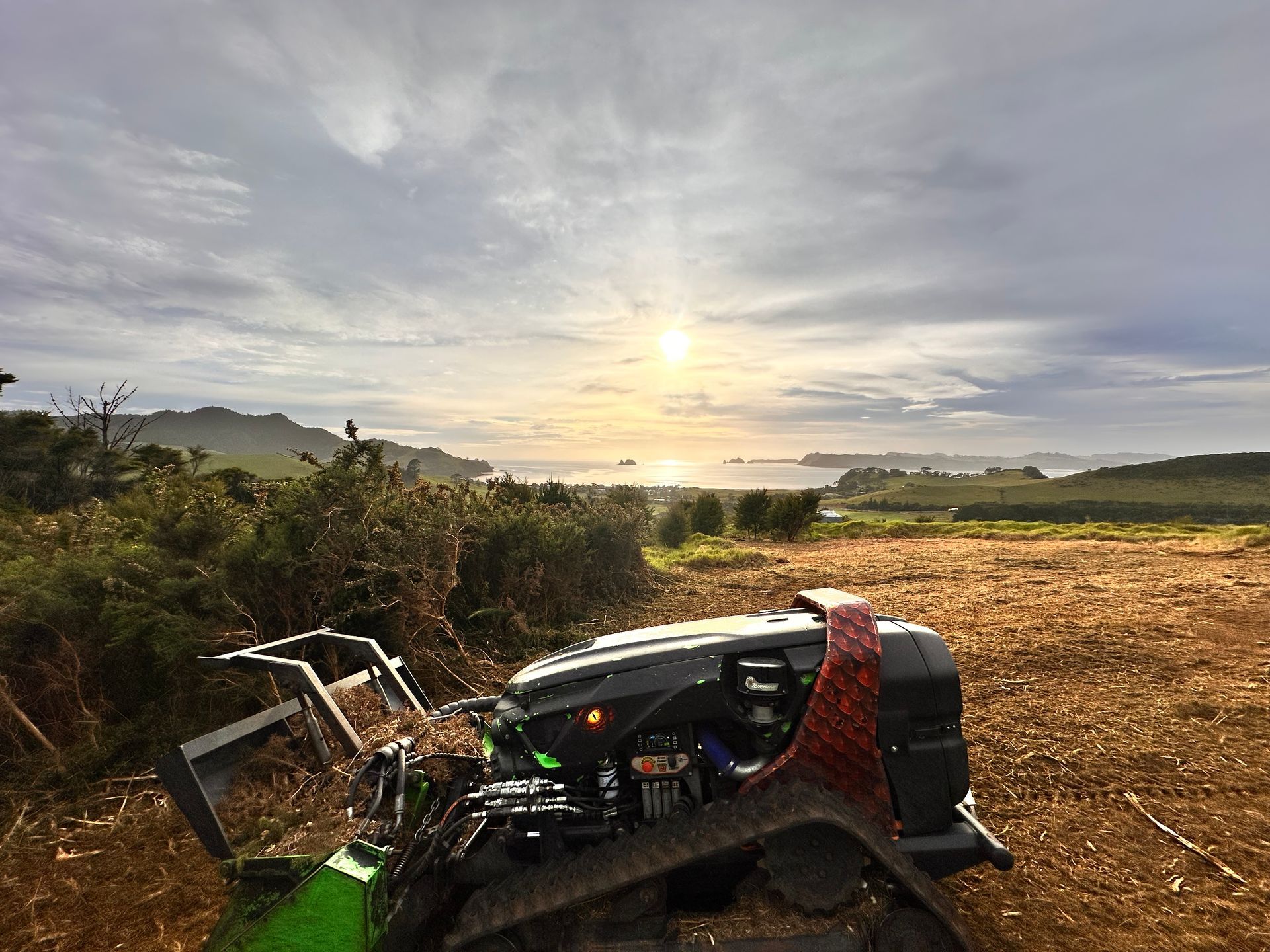
A remote-controlled tracked mulcher reduces standing scrub to mulch without chemical sprays. The operator works off the machine rather than riding it on the slope. That removes the driver from the vehicle, but steep ground still demands careful assessment.
Mulching takes down the standing growth. Roots can regrow, and buried seed remains. Weedbusters' undated “Controlling Weeds” guidance recommends removing weeds before flowering and seed production to limit further spread. Cutting mature scrub is a starting point, not proof that the infestation is finished.
Why the ground decides how steep the work can be
We check the soil before the angle. Firm, compact ground with grass permits steeper work than sandy, muddy or clay ground. Our machines can work on slopes of 50+ degrees where conditions allow, but that capability is not approval to tackle every slope at that angle.
A slope that holds a machine in dry weather can lose traction after rain.
Not everything can be found on a walk-over. Scrub can conceal wire or stumps, and debris strikes are part of this work. We talk through any damage and its fix, and we are very fair and level headed discuss who carries the liability of any possible damage, before we start. Our in-house repair facility keeps repair costs low.
You can read how we choose between tractors and tracked mulchers
for Waikato sidlings, or request a site assessment
before deciding how to clear your slope.
Clear before seed set, but wait for safe ground
Watch the plants, not just the month. Cutting before flowering and seed production limits the next crop of weeds. The Department of Conservation's undated “The weed problem” page states that control after an infestation has spread is 40 times more expensive than early control. That is DOC's broad comparison, not an estimate for your job. Early control does not justify pushing a machine onto unsafe ground. If the slope is soft after rain, it is recommended to wait until it can be assessed again. A week may help, but only the ground conditions can settle that.What the cut material leaves behind, and how to fill the bare ground
Decide how to handle the cut material before clearing starts. Weedbusters recommends planning disposal for large infestations and checking suitable landfill options with the local council. Material containing seed or fragments capable of regrowth needs careful handling, even after the plant has been cut.How the mulch layer breaks down
Woody mulch generally breaks down over months or longer, depending on moisture and the size of the pieces. An even layer blocks light and can suppress seedlings, but it will not stop every weed. There is no useful blanket depth for a steep slope without knowing what was cut and how the material will sit on the ground.Filling the bare ground
Leaving open ground gives new weeds room to establish. Weedbusters recommends filling that space with suitable plants, including fast-growing natives such as mānuka and coprosma. Planting is a recommended next step where it suits the site's intended use, with follow-up weed control while the plants establish.How to keep the slope clear after the machine leaves
Gorse seed can remain viable in soil for years. DOC uses the saying “one year's seeds, seven years weeds” to explain why preventing seed production matters. Mulching is not a seed-bank cure, and a promise that one pass ends gorse for good goes beyond what the work can deliver.- Plan follow-up before the first cut. Allow for inspections and further control of seedlings or regrowth, rather than assuming another machine pass is always the answer.
- Work in manageable sections. Weedbusters recommends tackling scattered patches first to slow spread before clearing the worst infestation.
- Close the bare ground. Suitable planting can reduce the space available for weeds, but young plants still need protection from competing growth.
- Check the boundary rules. Look up the Regional Pest Management Plan for your area, run by Bay of Plenty Regional Council or Waikato Regional Council, for the species on your block. Our woolly nightshade piece covers the boundary side in more detail.
- Inspect before the next seed set. Time your checks to the weed's growth stage, and deal with any seedlings before they set seed.
Frequently asked questions
Why is spray drift a serious liability near orchards on a slope?
Off-target herbicide can damage sensitive orchard plants. Wind causes drift, while runoff after rain is a separate route by which some herbicides can move downhill. Check applicable council rules and, for an organic block, the certifier's requirements before agreeing to treatment near the boundary.How does mechanical mulching deal with gorse and blackberry?
A tracked mulcher cuts standing growth into mulch without herbicide. Roots may regrow and buried seeds can germinate afterwards, so follow-up inspection and control belong in the plan from the start.How thick should the mulch layer be?
There is no single suitable depth for every slope. An even layer can suppress seedlings by blocking light, but the material and ground conditions determine what is practical. Heavy mulch can also interfere with planned planting.What follow-up keeps a reclaimed slope weed-free without spraying?
Inspect for seedlings and regrowth before they produce seed, then choose further mechanical or manual control that suits the ground. Suitable planting helps occupy cleared space, but no method guarantees a permanently weed-free slope. If your slope needs clearing, call or text No Mans Land Mowing on 021 994 891, or send a quote request.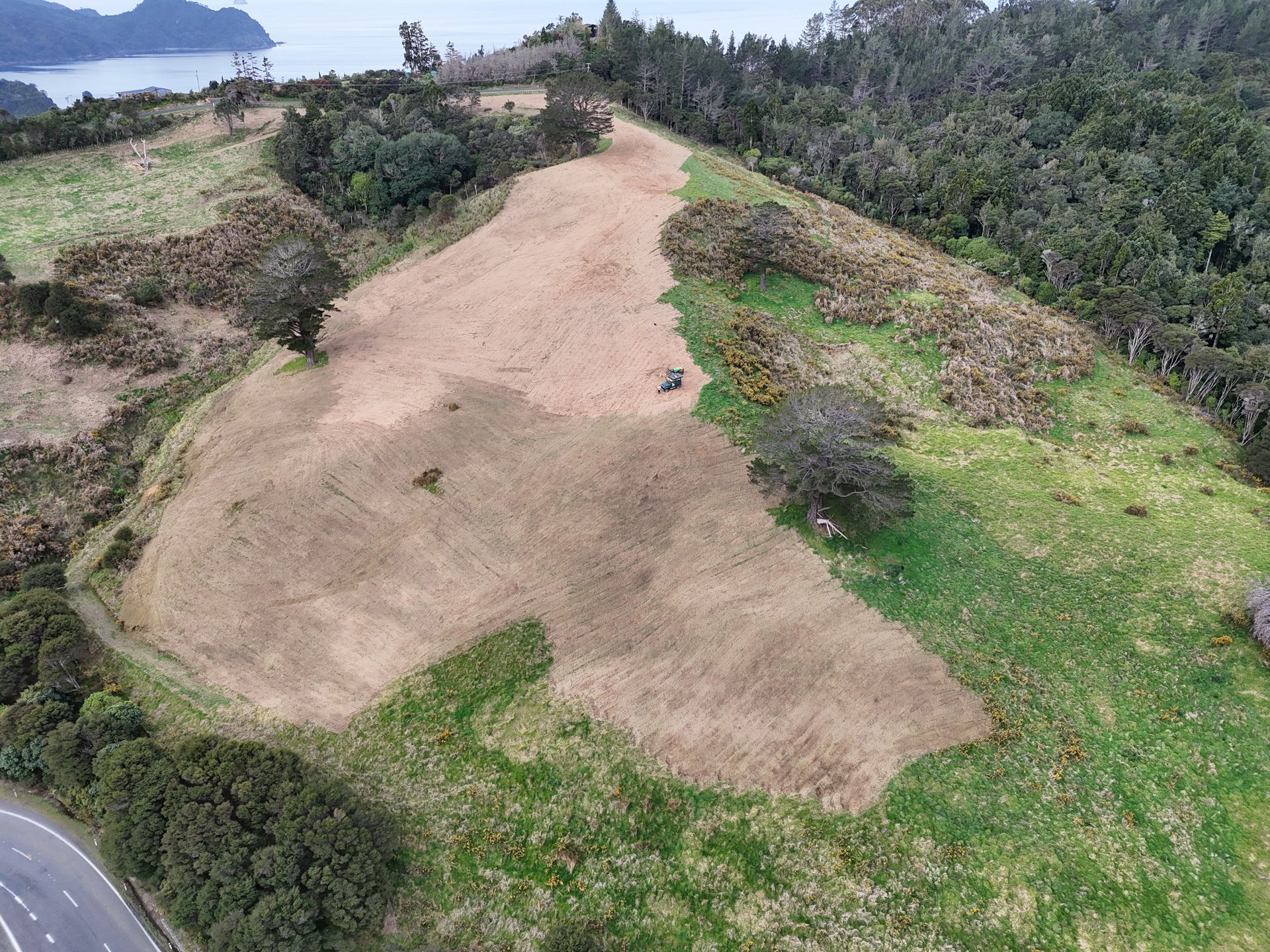
Published NZ price guides put tree felling at $350 to $5,000+ including GST, and steep banks often sit higher. Here is what changes the price and what to confirm in a quote.
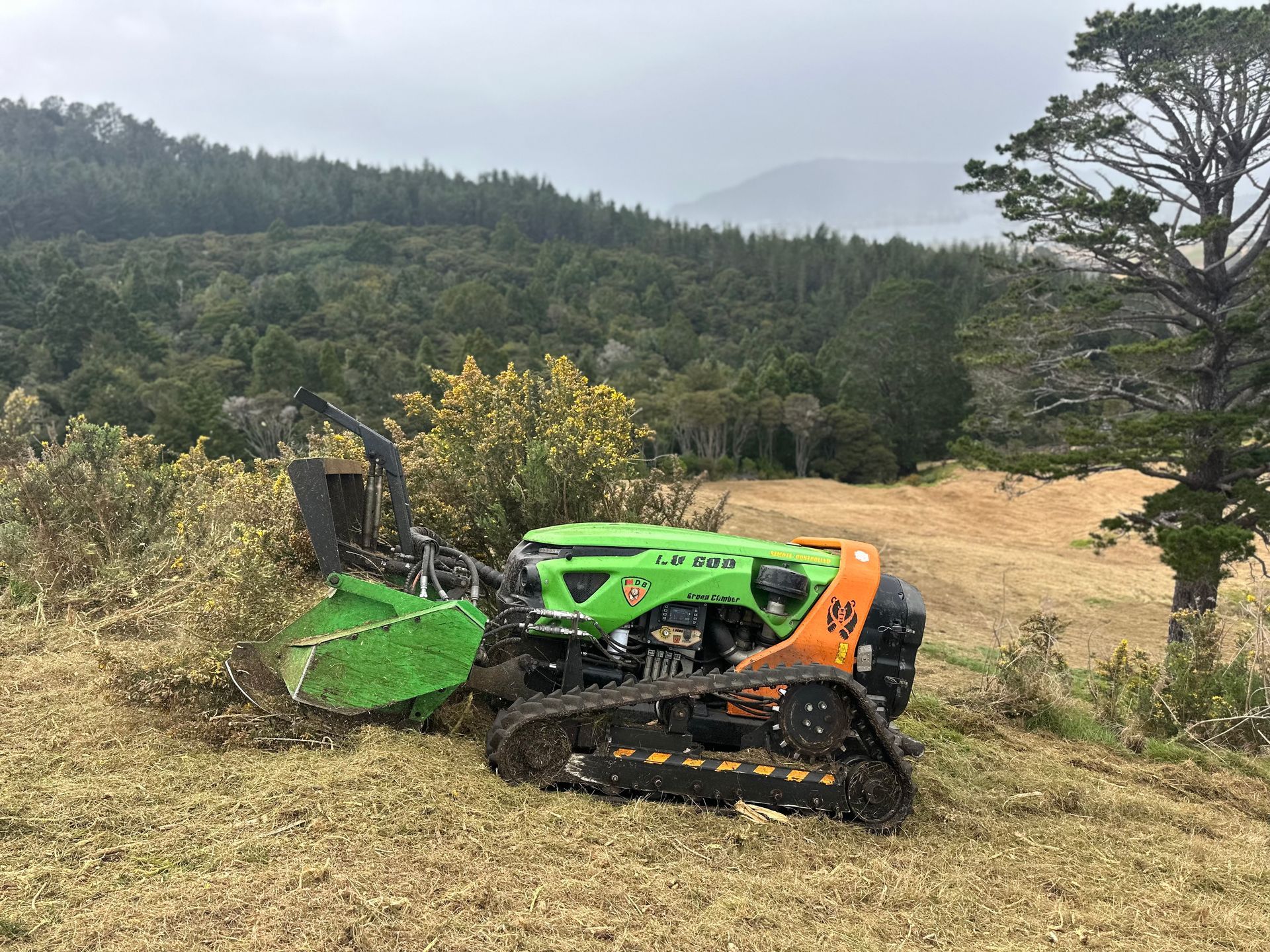
Understand when standard 4WD farm tractors reach dangerous slope limits and why tracked slope mulchers are needed for steep Waikato sidlings.
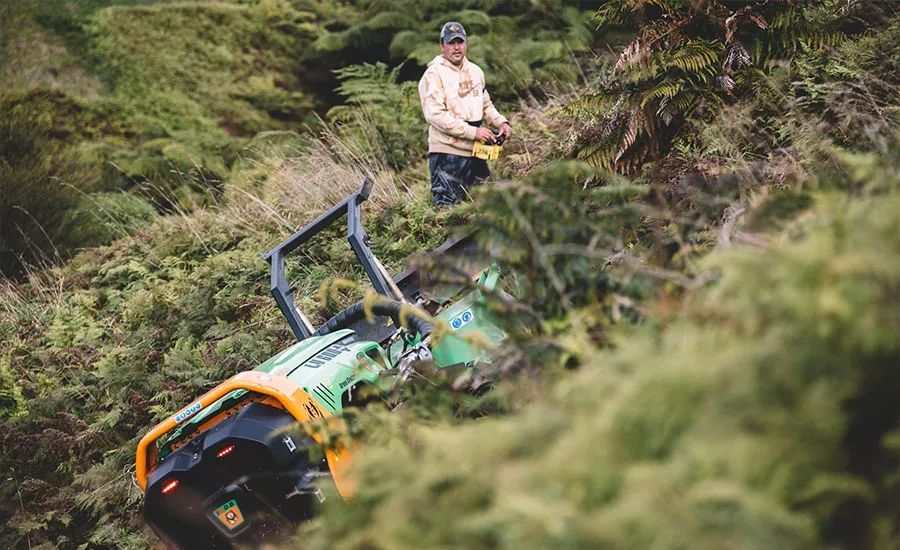
Learn how to protect vulnerable native tree ferns while clearing invasive gorse and blackberry across steep North Island gullies.
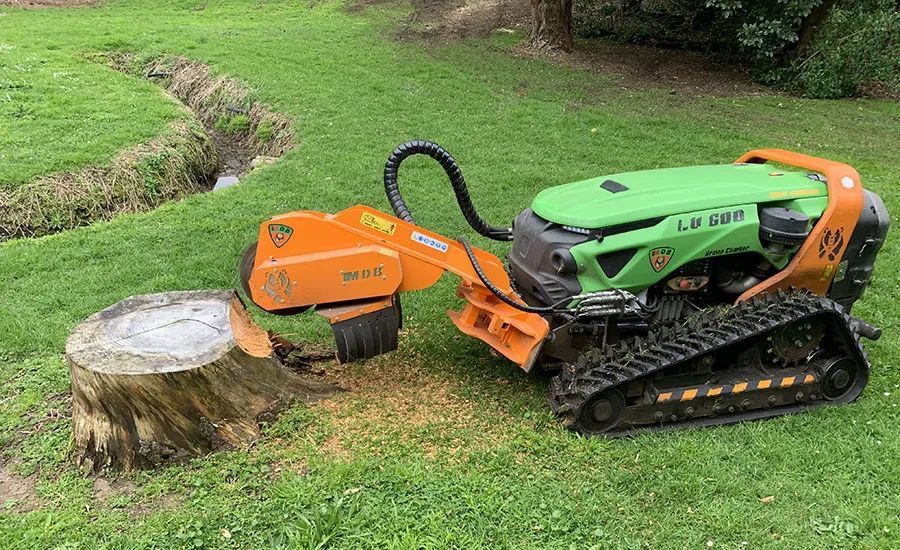
A practical guide to stump grinding costs, machine requirements, and site preparation for steep banks and gullies across Tauranga.
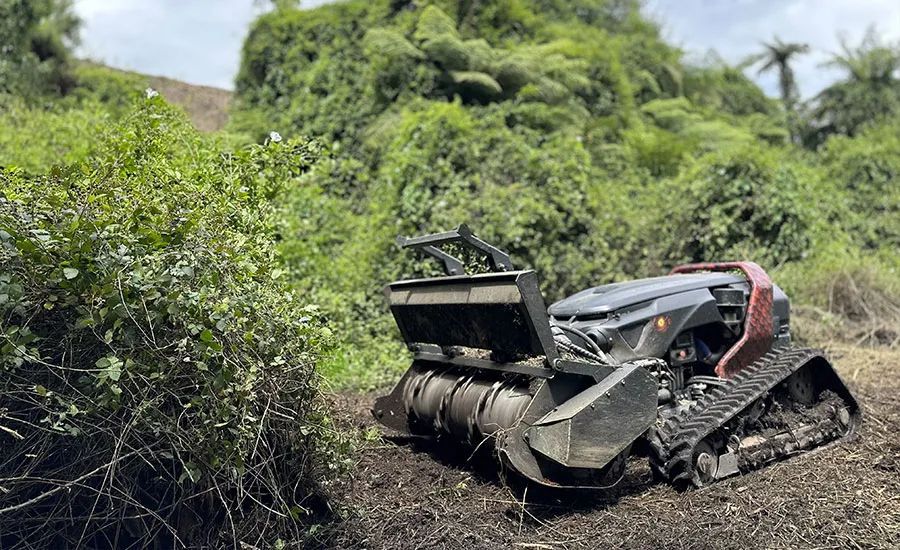
Stop invasive woolly nightshade from taking over steep gullies and risking spray drift into nearby orchards. Learn how remote mulchers shatter root plates flush to the ground.
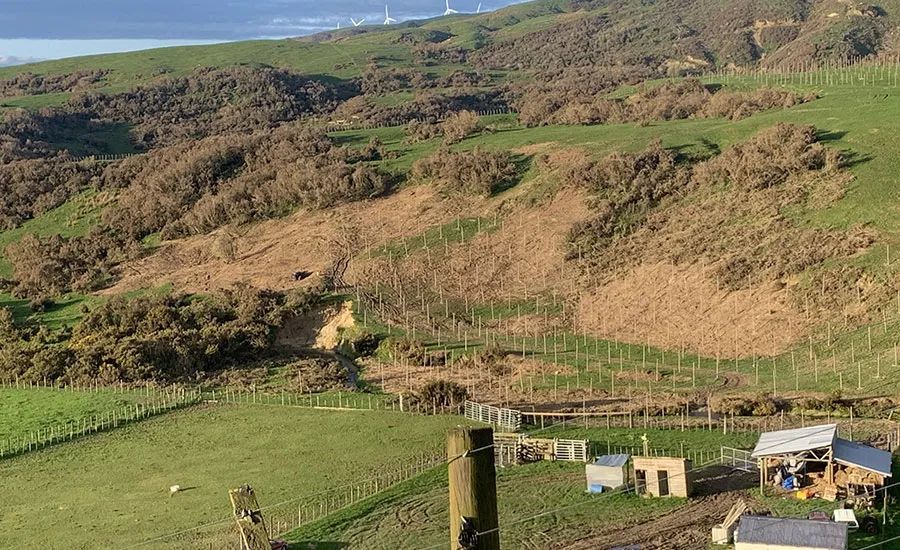
Standard tractors cannot safely mow slopes beyond 20 degrees. Here is how remote-controlled tracked mulchers pulverise gorse and rank growth to reclaim steep hill paddocks.
Standard Tauranga lawn mowers face severe rollover hazards on slopes over 20 degrees. Here is how remote-controlled tracked mulchers clear steep lifestyle banks safely.